Rupachitta Robertson interviews a different Uig artist each month for community newspaper Uig News. A few weeks ago it was me, and we talked for about an hour about lots of different things, most of which the newspaper didn’t have room for. With Rupa’s permission I’m posting a longer version here, since it’s a good introduction to the thinking behind the new album, AIRD.
“I grew up in Cumbria. Living on the border of things has shaped me in a lot of ways. I had an English father and a Scottish mother. I was interested in music and creativity from when I was very young and started writing and recording songs when I was about 14. Hundreds, mostly terrible. There was a vibrant music scene in the North of England in the 1980s that had a big formative influence on me. Electronic pop type stuff. Human League, Pet Shop Boys, ABC, New Order and Factory Records. But I was also drawn to Scotland.
“I knew I wanted to make music but for a long time I didn’t really know how to do it. Then, when I was in my late twenties, I met Hamish Brown. We both had loads of unreleased home recorded music, and we joined forces as Swimmer One. Our friend Laura (later my wife) later joined the line-up and we were active for about ten years. We released two albums, The Regional Variations and Dead Orchestras, played some festivals, had a song in a film, and worked on a big theatre show with many well known Scottish musicians. Hamish has mastered my new album, AIRD.
“I know that in Lewis a lot of islanders go off to the mainland, do something and then feel drawn back by the pull of home and community. That’s not something I ever felt about Carlisle. But I was drawn to Lewis, for reasons that I didn’t fully understand until I got here. I later released that Aird Uig reminds me of a two particular places in my childhood.
“The first, Hadrian’s camp, was near the village where I grew up, an ex-military base with a history going back thousands of years which was at that point abandoned. It felt like a huge space, with abandoned buildings, overgrown places where you could make dens, and roads where there was no traffic. You could ride your bike and explore and I loved having that freedom as a kid to roam around. It felt like a really safe place and that’s the kind of freedom that I feel my children have here. To be able to roam safely in a place that’s a bit unusual and has these really interesting old buildings and structures. There’s a strange sort of paradox in an ex-military base being a safe place.
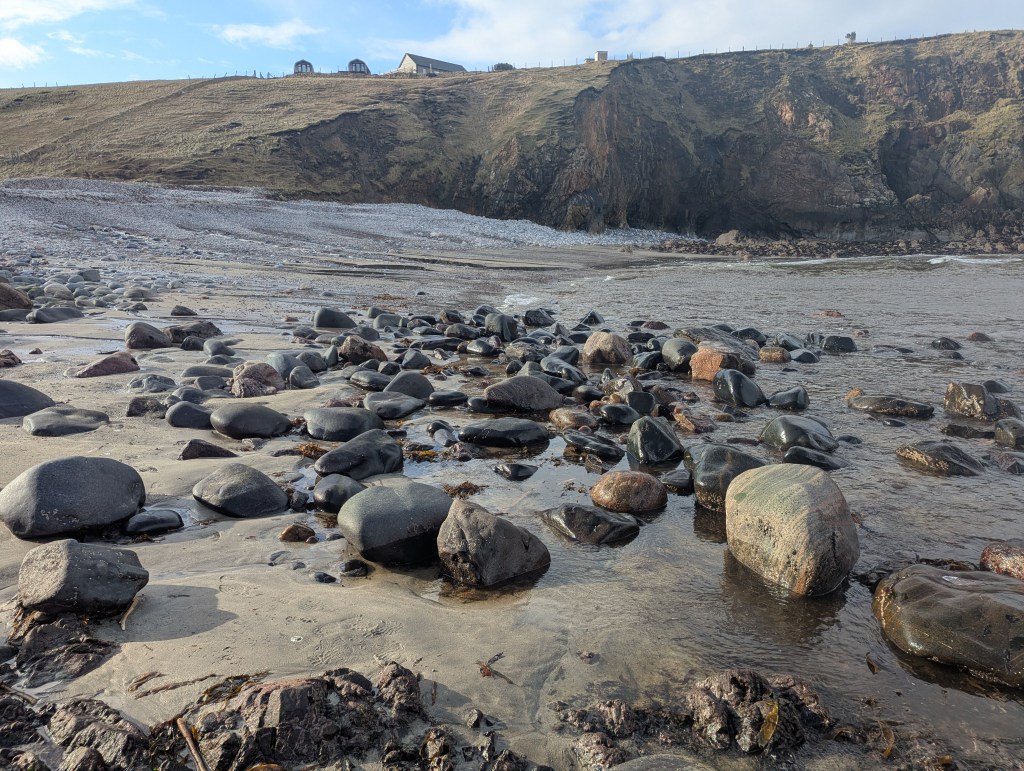
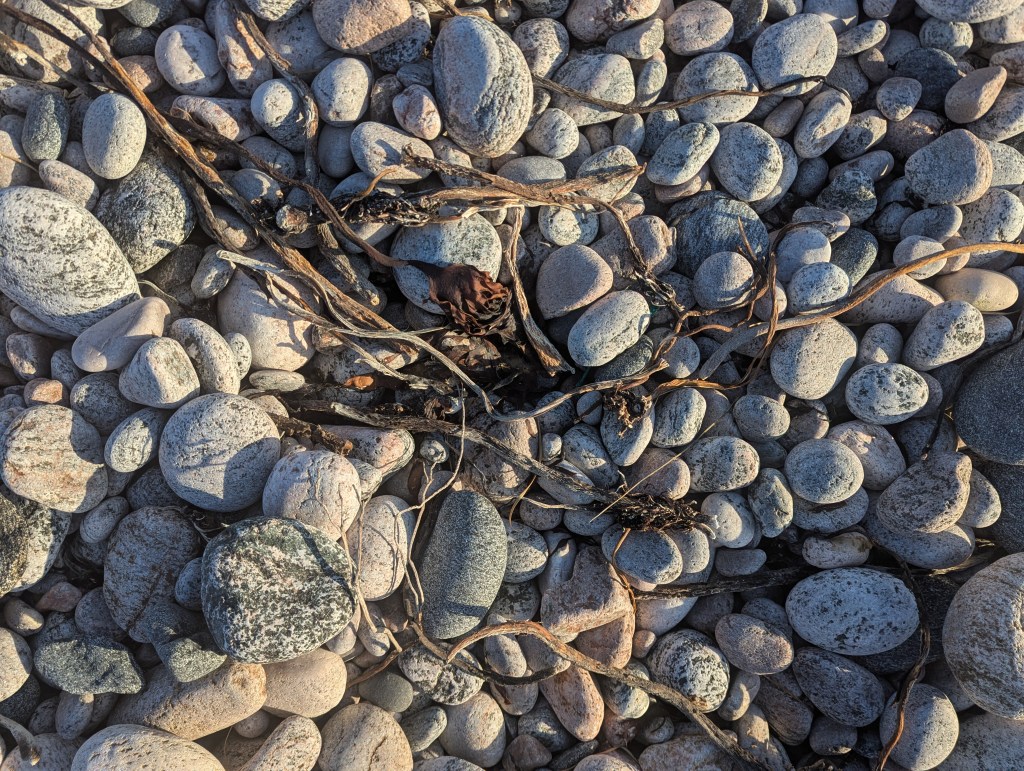
“It makes me really happy seeing my kids collecting stones and shells which end up on our doorstep here. It also reminds me of summer holidays in Arran when I was a child. We would roam free, climb mountains, walk beaches and every time we went back to Carlisle I’d have a big box full of stones and shells, treasures that I’d found. I’ve tried to recreate some of what I liked most about my childhood here for my kids. And so I have that sense of coming home that I never felt about Carlisle.
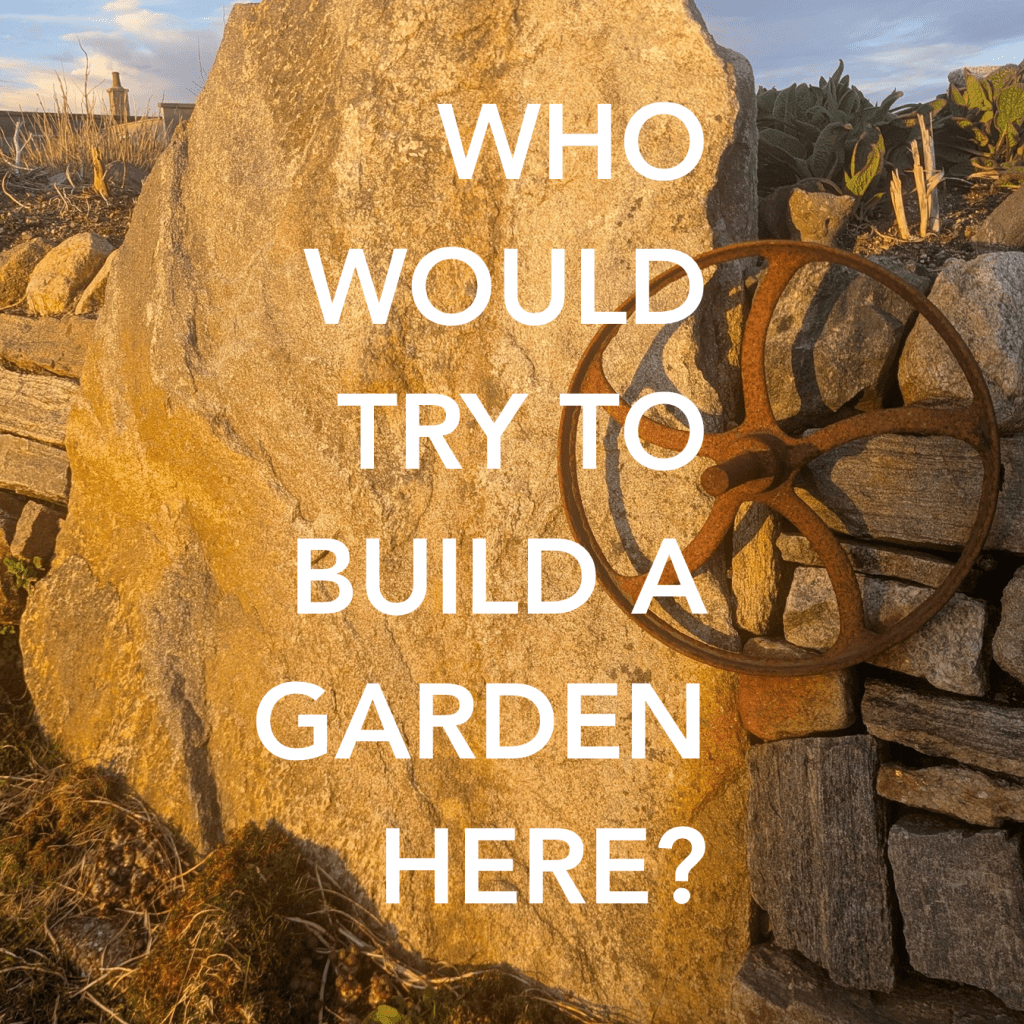
“Derek Jarman was one of my favourite filmmakers. He famously created a home called Prospect Cottage and a garden next to a nuclear power station at Dungeness. Aird makes me think of Prospect Cottage and one of my new songs is named after that. There are a couple of really nice gardens here in Aird. It’s a hard place to grow anything, the weather is challenging, but gardening in a place like this feels like a good metaphor for building a life for yourself, and struggle in general.
“When we first moved up here in 2018, friends in the city thought we’d gone a bit mad. Why were we going to this place on the edge of the world that seems so far away from all the things in the city that people think they need? During lockdown the decision seemed a lot less mad. The opening song on this album, Everyone Is Here, is about how Lewis is only ‘the edge of the world’ from a certain perspective. For the Vikings it was a key central point between Norway and Ireland and Iceland.
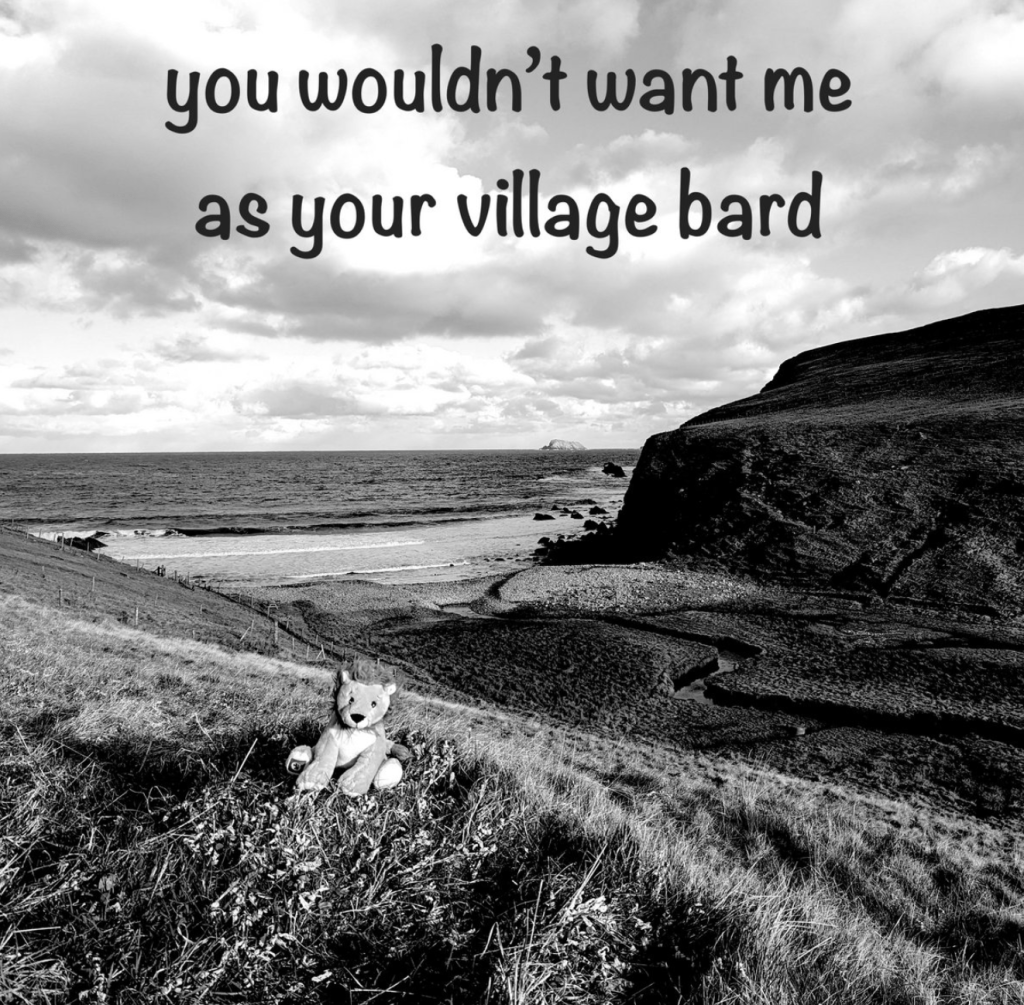
“I’ve never thought of myself as a poet. The words I write are intended to be for pieces of music and I wouldn’t regard them as poems. I’m aware that there is a Gaelic tradition of village bards, people who document the life of a community as a kind of social history and preserve the traditions and the stories of their community. I’m an incomer, I don’t speak Gaelic, I’ve only been here eight years, so I don’t regard myself as qualified to call myself a village bard, but I am writing about village life. The song You Wouldn’t Want Me As Your Village Bard expresses my conflict around that. I don’t feel the entitlement to speak for my community, they can all speak for themselves. A lot of them are artists and express themselves in all kinds of interesting ways.
“Like me, a lot of the people in Aird Uig didn’t grow up here. It feels like a new place in some ways. Half of it is an old crofting village with its own long history, but half of it dates from the 1970s when people started making homes in the former RAF radar station.
“I’m very interested in the complexity of people’s motives for coming to live in a place like Aird. The album opens with the lines:
Some of us came to raise kids,
Some of us came to raise the dead
Some of us came to find ourselves
Some of us kept ourselves well hid.
“In a way, all of these things are me. I came here to raise kids. To raise the dead is a reference to wanting to revive old traditions, to reconnect with nature, to have a different kind of relationship with the world, to figure out who we are.
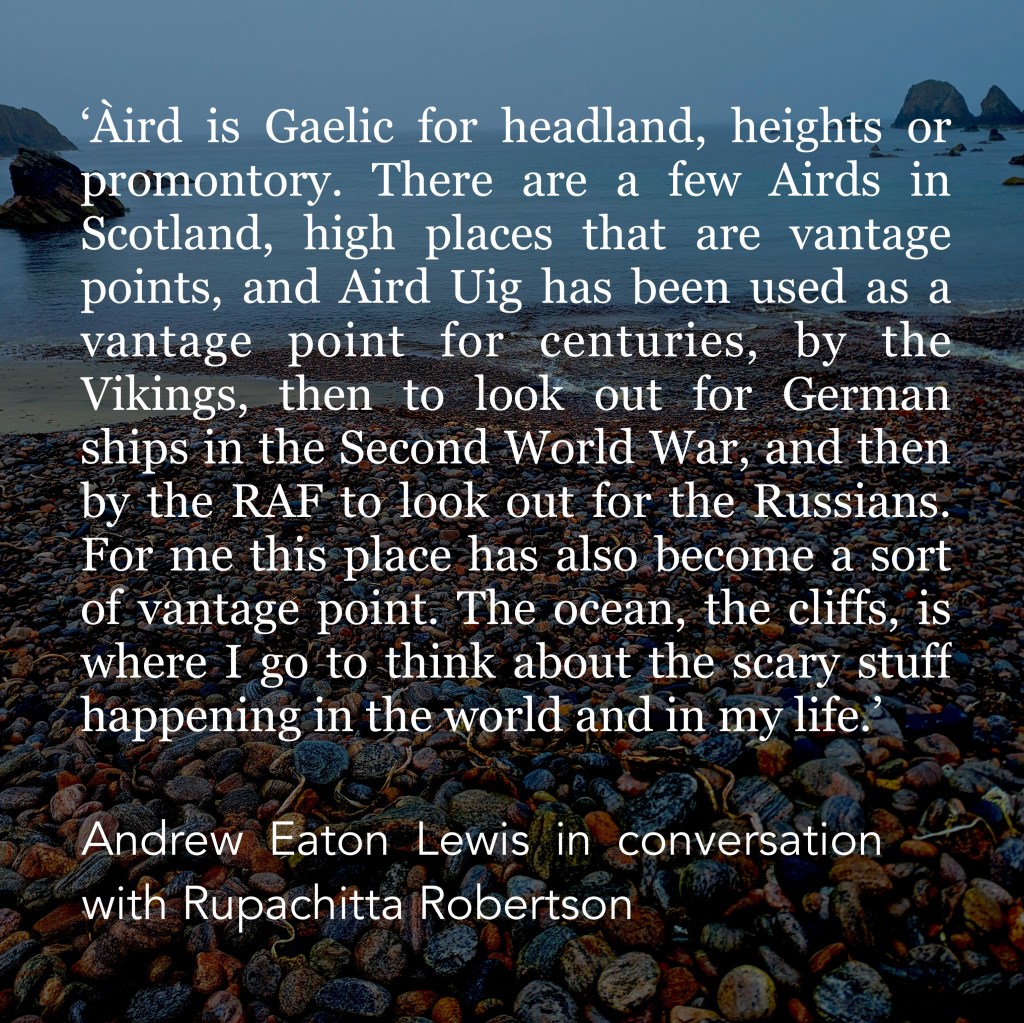
“Àird is Gaelic for ‘headland, height or promontory’. There are a few Airds in Scotland, high places that are vantage points. Aird Uig has been used as a vantage point for centuries, by the Vikings, by the RAF in the Second World War to look out for German ships, and then it was used to look out for the Russians. For me this place has become a sort of vantage point to look out on the world. I take my dog for walks up the hill. I look out at the ocean over the cliffs and I get a sense of clarity. It’s the place I go to think about my relationship with the world and all the political turmoil and all the scary stuff that’s happening in the world, as well as the scary stuff in my own life.
“The closing track, The Kids Are All That Matters, is about parental anxiety, about wanting my kids to be safe, not really wanting them to leave the village but knowing that they are starting to notice the outside world as a place that they’d really like to go to.
“When you become a teenager the things you aspire to, the freedoms you want, are different. They’re the things that cities offer and that’s happening for my children now, but at a time when the world seems really scary. We’ve got something that’s starting to look like fascism in America. We’ve got climate breakdown. The future looks genuinely terrifying in many ways.
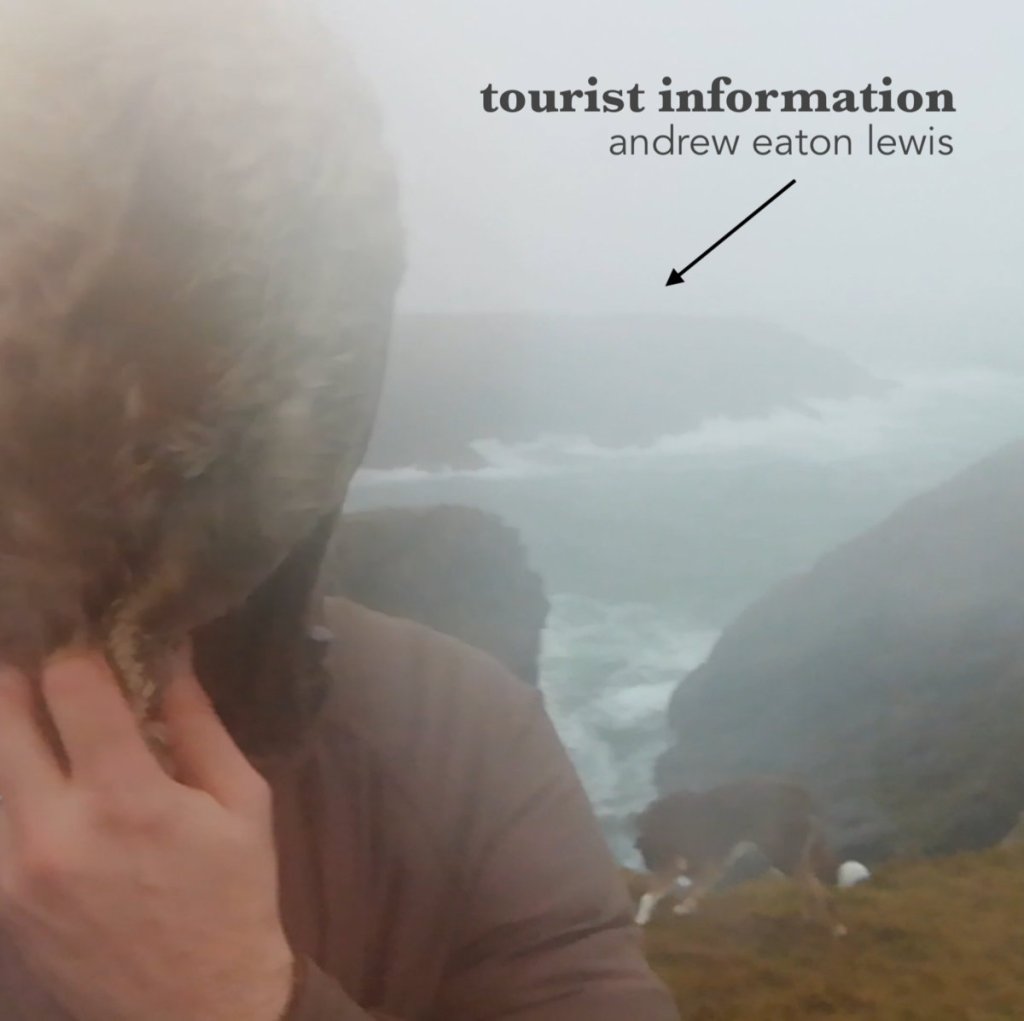
“In 2021 I made an album at Wee Studio Records with the lovely Keith Morrison. I was new to the island, I still felt a bit like a tourist, but I was writing songs about the island, about crofting. I called the album Tourism as a kind of acknowledgement that I wasn’t quite a Hebridean musician yet. I was conscious of wanting to be respectful and not presumptuous. I’ve now been here for eight years so I’m becoming a little bit less cautious about that. I am making music that is of the island now, perhaps. I think I probably am a Hebridean artist at this point.”






 music and words by Andrew Eaton Lewis