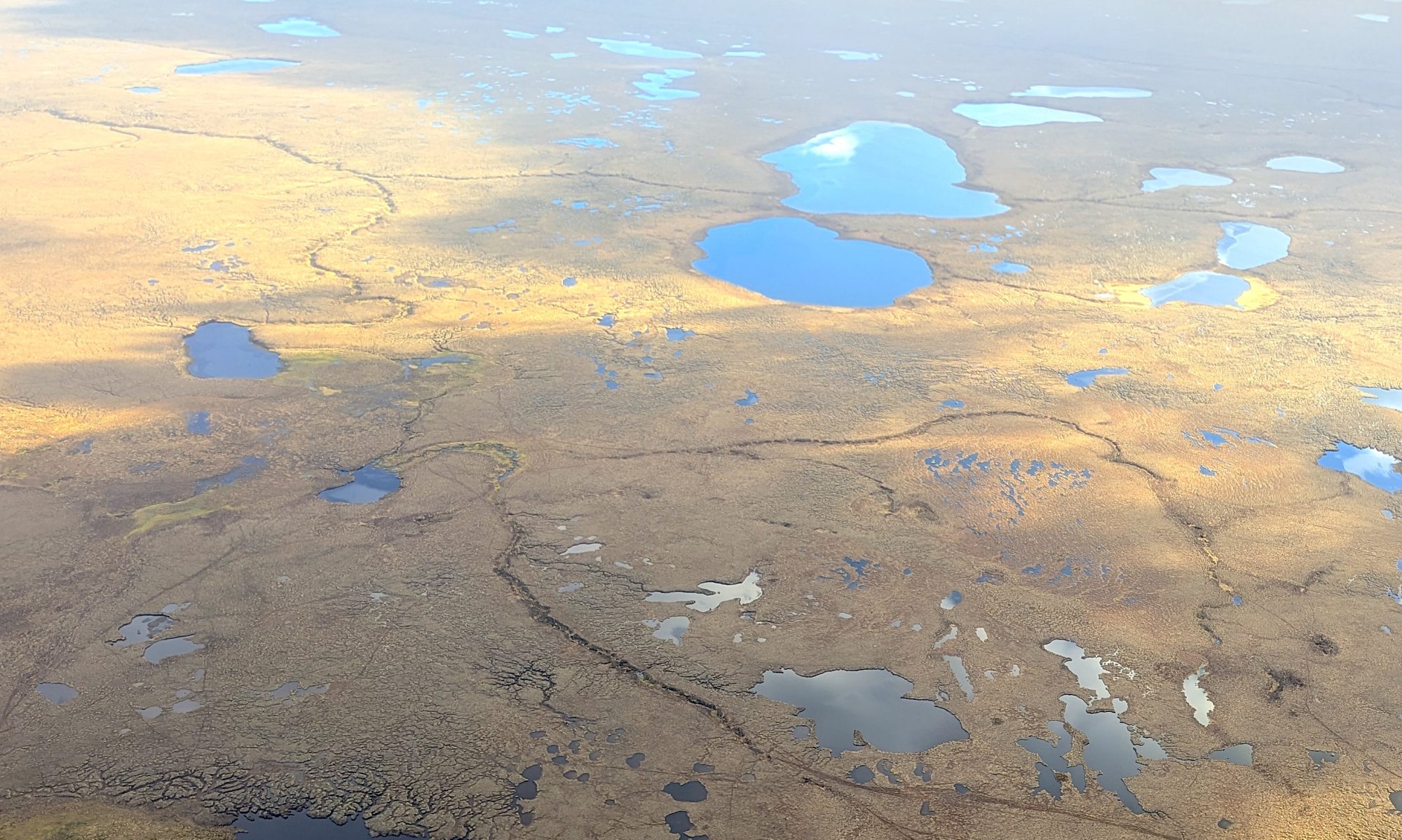

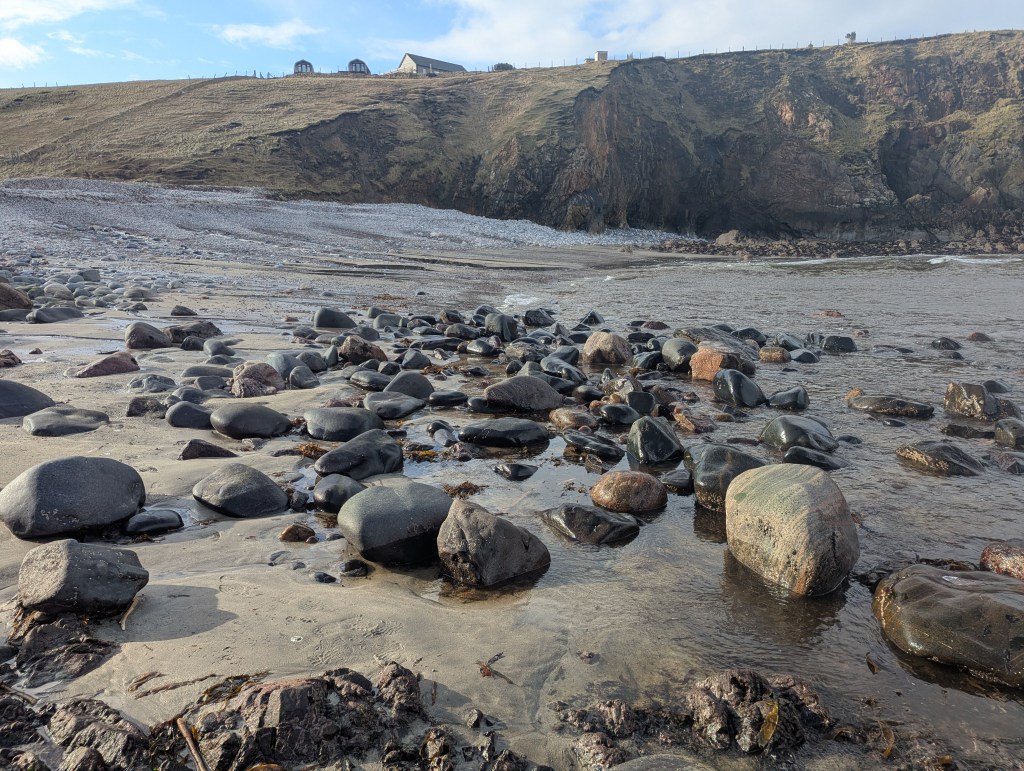
If you spend enough time somewhere, in different seasons and weather conditions, it becomes a multitude of places. I’ve stood on Aird Uig beach facing down winds so strong they’ve almost blown me over, the noise howling in my ears. I’ve listened to it from a distance at night, its millions of stones crashing and tumbling into each other as the waves batter into them in the dark. I’ve watched waterfalls flowing up the cliff in a gale. I’ve also sat on those stones on a perfectly calm and still day under a cloudless blue sky, examining them one by one, obsessing over how the colours and patterns resemble cloud formations on Jupiter. Most recently I’ve walked the beach during the lowest tides I’ve ever seen, discovering for the first time that Aird can be a sandy beach when the ocean allows it.
I could probably write dozens of songs about this beach. Since the beginning of 2025 I’ve written and recorded two, A Billion Stones and A Sea Cave, the first new music I’ve made after about a year and a half of not being able to write anything. I’m not exactly sure why this has happened now. I’ve been to this beach lots of times over the past six years so it’s hardly a new discovery, but it’s possible there’s a degree of familiarity and comfort with the place that wasn’t there before. Or it might just be because I now have the means to record music at home for the first time, which has helped motivate me to get my act together. Either way, there will be more new music soon. I’m currently working my way towards a new album of songs about the Isle of Lewis, with help from my old Swimmer One bandmate Hamish Brown. These two songs mark the beginnings of it.

A Billion Stones is about standing on the beach in the middle of the night under a clear sky full of stars. I did this again a few days ago. and it was the perfect night for it. No clouds at all. The Moon bright enough to light the way but not too bright to block out the Milky Way. The Aurora were out (much more brightly than captured in the photo above) but there was no wind, so the only sound was a billion stones invisibly rumbling and tumbling underwater as waves smashed into the shoreline a few metres from where I was standing.
Standing on these stones is humbling. They would once have been part of the cliff face that towers above each side of the beach, but over thousands of years the ocean gradually transformed them into what they are now. Walking on them, you have a powerful sense of the tininess of a human lifespan, a time during which this beach will barely change at all. That feeling is magnified at night, when you have ancient stones under your feet and much more ancient stars above your head – thousands of them clearly visible, thanks to the night sky in the Hebrides being darker than it is almost anywhere in Europe – and the only sound is the waves continuing to crash into the stones, nature doing its slow work. Standing on those stones also amplifies the precarity of human existence. This is not a beach where you can sink your toes into the sand, take a deep breath, relax, and reconnect reassuringly with nature. It’s an uneven, unsteady surface even on a calm, dry day, always moving underneath you. You need to be constantly alert otherwise you’ll fall over. And if you do fall it won’t be a soft landing.
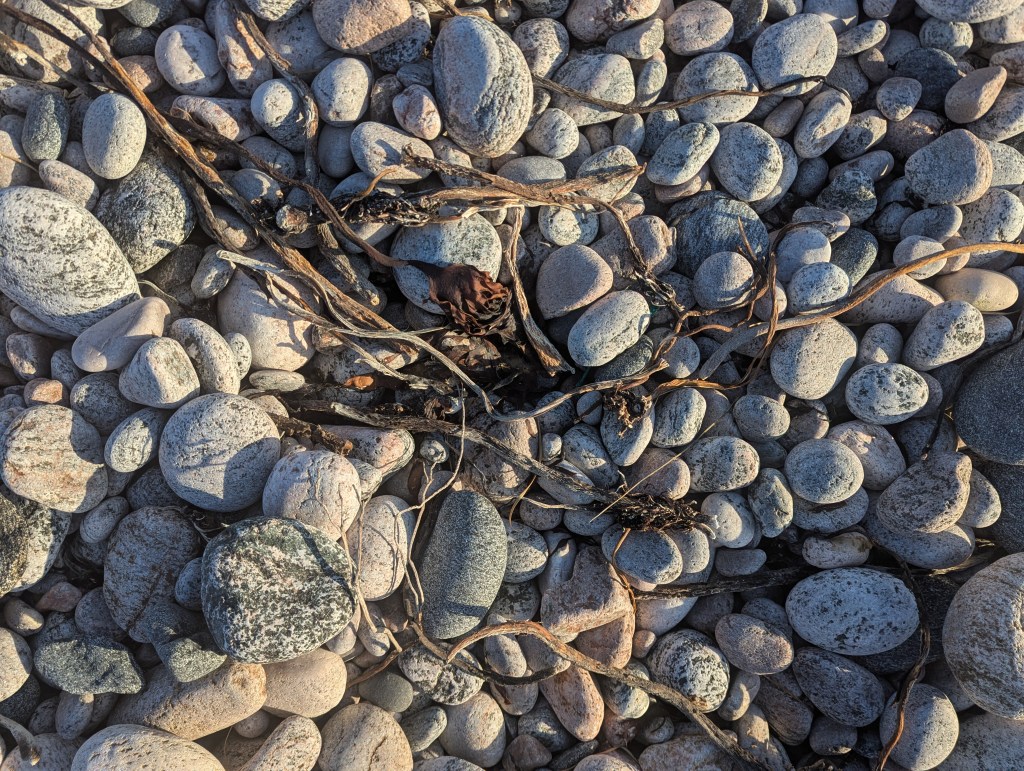
If you spend any amount of time in Lewis you end up thinking about stone a lot. The island’s most famous landmark is the Calanais Stones, a breathtaking stone circle older than Stonehenge. Houses used to be made from stones collected from the moors and the remains of these houses can be found everywhere, along with dry stone walls, many of them hundreds of years old. There are cairns at the top of every hill. Across the island there are stone memorials designed by artist Will Maclean, commemorating land struggles from the late 19th and early 20th centuries. When the Scottish contemporary artists Dalziel + Scullion moved to Lewis recently, one of the first new things they made was a film they jokingly described to me as ‘a day in the life of a rock’. Partly it’s the obvious absence of trees that makes stone so prominent in the landscape, culturally as well as geographically, partly it’s that Lewis has some of the oldest stone in the world. The Calanais Stones are made from Lewisian gneiss, which is around three billion years old. The ancient people who built them were using materials far more ancient than them.
I’m not sure how well A Billion Stones captures any of this, but I was pleased enough with it that I made A Sea Cave almost immediately afterwards. Musically, this song began with a recording of water dripping from rocks on a part of Ardroil beach I’d never been to before because the tide had always been too high. I spend quite a lot of my time listening to water dripping from rocks (and have been known to record it before) but these drips were so much faster than those I’d heard before, like dance music in comparison, coming from four or five different places, the sounds all blending together. Around the same time I was thrilled to discover a small sea cave on Aird Uig beach that I hadn’t previously known was there, at the end of a gully of perfectly smooth, wave-blasted rock that’s underwater except at the very lowest of tides, and these two experiences merged together.
A Sea Cave isn’t really about that though. Finding that cave coincided with a series of losses. Initially I had a half-formed lyric about searching for a missing cat (a formerly feral kitten who spent most of its time outside, was constantly killing birds and rabbits, and who we suspect eventually picked a fight she couldn’t win, probably with an otter). It wasn’t much of a lyric, to be honest, but it took on a new layer of meaning when two people I knew from the same village then died within days of each other, a shocking event for a population of less than 30, especially since one of the deaths was sudden and completely unexpected. I attended two funerals in the same week, a first for me. Then, just a few days later, one of my wife’s horses unexpectedly had to be put down after the vet discovered a large tumour at the back of his throat, so far back that it had remained hidden from view probably for years. We had a funeral for the horse too, another sad day and another first for me (the task of burying something so big was another humbling experience). I built a gravestone from a pile of rocks taken from a nearby dry stone wall. And so A Sea Cave ultimately became a song about stones as memorials for living things.
It’s possible I could have written a better, more considered lyric about all this if I’d spent more time processing it. But I’ve often thought that one of my flaws as a songwriter is a tendency to overthink and overcomplicate things, so with A Sea Cave – and A Billion Stones – I went with what were basically first drafts that, in the moment, seemed to have some emotional resonance. I suspect this decision will bother me more as time goes on, but the fact is I’ve gone from writing and recording absolutely nothing in 2024 to writing and recording most of an album in the space of a few weeks in 2025. So that’s progress, right?
 music and words by Andrew Eaton Lewis